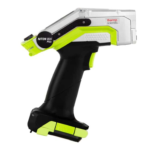
What is XRF? XRF (X-ray Fluorescence) is a non-destructive analytical technique used to determine the elemental composition of materials. It works by emitting X-rays onto a sample, causing the elements within to fluoresce. The emitted X-rays are measured to identify and quantify the elements present.
What are Thermo Niton XRF Analyzers? Thermo Niton XRF Analyzers are handheld devices used for non-destructive elemental analysis in various materials.
What is the primary use of Thermo Niton XRF Analyzers? They are primarily used for identifying and analyzing metals, alloys, ores, and other materials in industries like mining, recycling, and manufacturing.
How long have Thermo Niton XRF Analyzers been in use? Thermo Niton XRF Analyzers have been in use since 1994, making them a trusted choice for field analysis.
Are Thermo Niton XRF Analyzers portable? Yes, they are designed to be portable and handheld, making them ideal for fieldwork.
Click the Image
Features and Specifications
What models are available in the Thermo Niton XRF Analyzer range? Models include the Niton XL2, XL2 Plus, XL3t and XL5 Plus.
What is the weight of the Niton XL5 analyzer? The Niton XL5 weighs approximately 2.8 lbs (1.3 kg).
What type of display does the Niton XL5 have? It features a tilting, color touch-screen display with swipe functionality.
Does the Niton XL5 have camera capabilities? Yes, it includes both micro and macro cameras for sample imaging.
What is the battery life and charging method of the Niton XL5? It has a hot-swappable battery that can be charged via USB, UPS trickle charge, or a 12-volt DC source.
What communication options are available on Portable Thermo Niton XRF Analyzers? They support USB, Bluetooth, Wi-Fi, and sometimes GPS.
What materials can Thermo Niton XRF Analyzers analyze? They can analyze metals, alloys, ores, soils, ceramics, plastics, and more.
What elements can the Niton XL5 detect? It can quantify up to 30 elements simultaneously.
How fast are the analysis results with the Niton XL5? Most analyses are completed within 2 seconds.
Does the Niton XL5 require calibration checks with external standards? No, it includes an internal system check standard.
Can Thermo Niton XRF Analyzers be used for RoHS compliance testing? Yes, they are suitable for RoHS (Restriction of Hazardous Substances) testing.
Are Thermo Niton XRF Analyzers used in archaeometry? Yes, they are used for analyzing museum artifacts and artworks.
What is elemental composition? Elemental composition refers to the types and relative amounts of chemical elements present in a substance or material.
Why is elemental composition important? It is crucial for understanding the properties and behavior of substances, as it determines their physical and chemical characteristics.
Can Portable XRF analyzers detect lead in consumer products? Yes, they are used for lead screening in toys and electronics.
Are Thermo Niton XRF Analyzers useful in scrap metal recycling? Yes, they help identify metals and alloys in scrap materials.
Can Thermo Niton Portable XRF Analyzers detect Carbon? For carbon detection, instruments like the Niton Apollo, which uses Laser-Induced Breakdown Spectroscopy (LIBS), are more suitable as they can accurately quantify carbon in metals and alloys.